What Dermatologists Want You to Know About Fotona Laser Treatments
If you have spent any time looking into non-surgical skin rejuvenation, tightening, acne scar revision, or intimate wellness procedures, you have probably come across Fotona Laser Treatments. The name appears often in dermatology offices and aesthetic clinics because the platform is versatile, physician-controlled, and capable of treating very different concerns with the same core technology. That versatility is also what creates confusion. Patients hear one brand name and assume every Fotona treatment does the same thing, hurts the same way, costs the same amount, and gives the same kind of recovery. None of that is true.
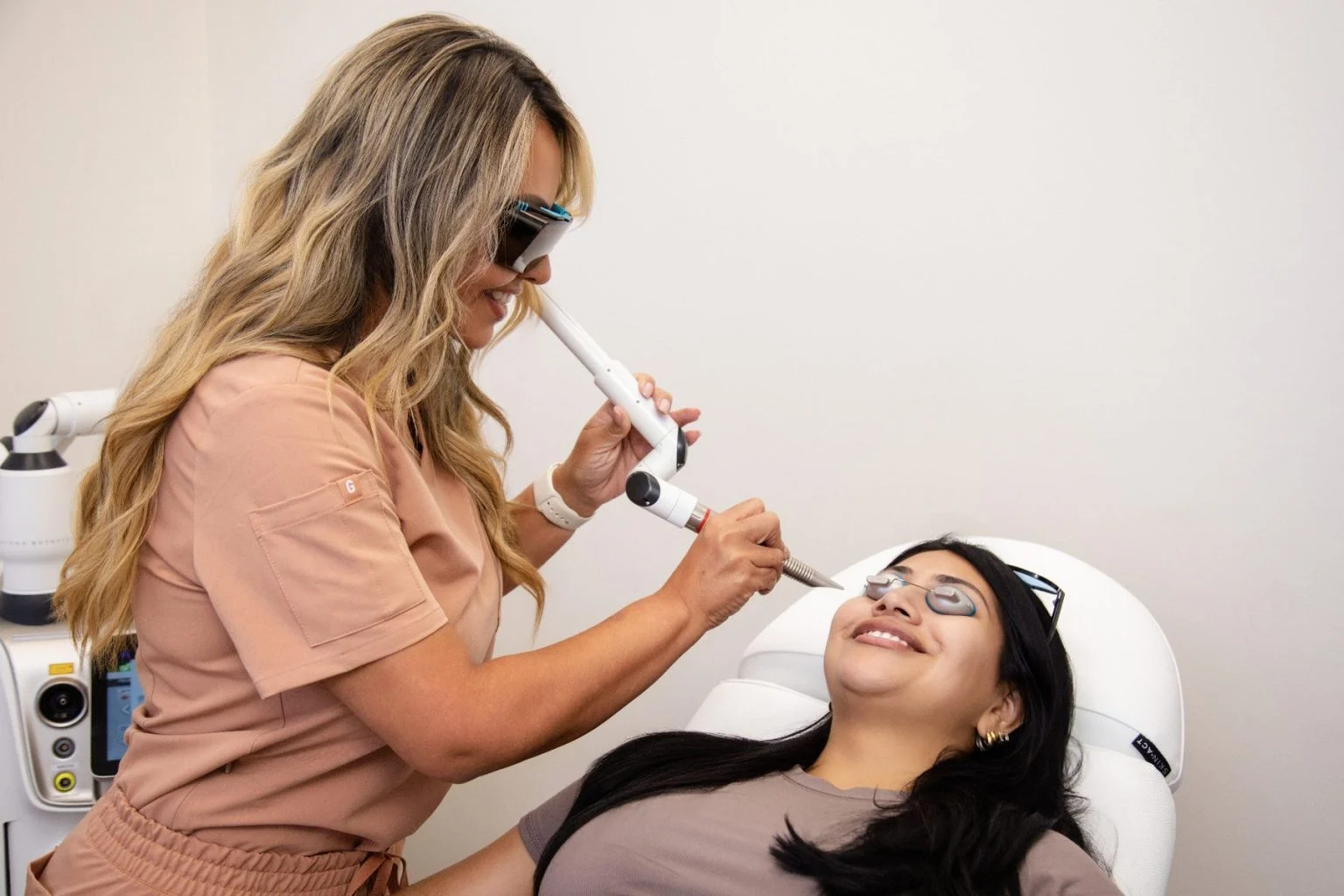
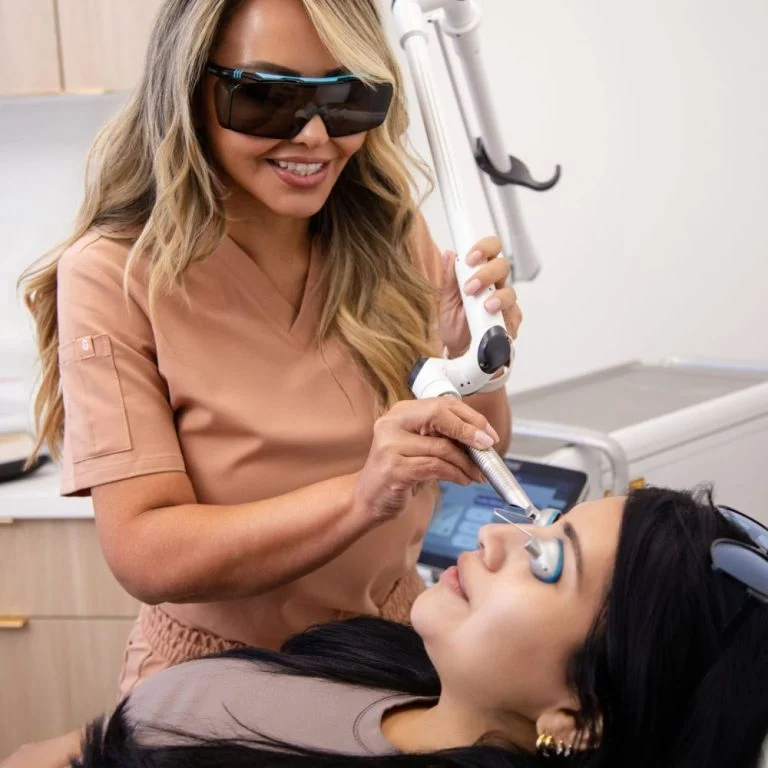
Dermatologists tend to view Fotona less as a single treatment and more as a toolkit. Different wavelengths, pulse durations, and treatment modes can be combined to target pigment, texture, vascular redness, acne, mild laxity, scars, and even concerns inside the mouth or vaginal canal depending on the indication and the provider’s training. The practical point is simple: when someone says they are getting a Fotona treatment, the important follow-up question is, “Which one?”
That distinction matters because expectations are where many laser treatments go wrong. A patient may expect dramatic lifting from a session designed mainly for textural refinement. Another may be nervous about downtime even though their chosen treatment has very little. Good dermatologists spend a surprising amount of time clarifying goals before they ever touch the laser handpiece.
The first thing to understand, Fotona is a platform, not a single procedure
Fotona systems commonly use two wavelengths, Er:YAG and Nd:YAG. You do not need an engineering degree to make sense of that, but you should know what those terms mean in practical skin language.
Er:YAG is generally used when the goal is more superficial resurfacing, refinement of texture, treatment of fine lines, acne scars, and lesions that benefit from precise ablation. It interacts strongly with water in the skin, which allows controlled removal or heating of tissue with a relatively clean treatment pattern.
Nd:YAG tends to penetrate more deeply. Dermatologists often use it for vascular concerns, deeper heating, collagen stimulation, hair reduction, and tightening-oriented protocols. Depending on the settings, it can deliver energy in a way that promotes remodeling without removing the top layer of skin.
What makes Fotona interesting to experienced clinicians is the ability to layer these effects. A treatment can be designed to create controlled heat in the deeper dermis, then polish or stimulate the surface, all in the same session. That is why branded protocols such as 4D facelifting became popular. The “4D” label is marketing shorthand, but beneath the branding is a real concept: multiple passes, different tissue depths, different goals.
For patients, the takeaway is that the machine matters less than the plan. An excellent dermatologist using a Fotona device with a thoughtful protocol is very different from a med spa menu that treats the name of the laser as the treatment itself.
Why dermatologists like this platform
There are flashier names in aesthetics, but many skin specialists appreciate Fotona for practical reasons. It gives them flexibility. Someone might come in with enlarged pores, early cheek laxity, acne scars along the jawline, and a tendency toward redness. Those are not unusual combinations. Real faces rarely present one neat problem at a time.
A well-trained dermatologist can often tailor Fotona Laser Treatments to address several layers of that concern in sequence. That does not mean everything gets solved in one visit. It means the physician can build a plan that makes anatomical sense rather than sending the patient toward disconnected one-off procedures.
There is also a meaningful difference between customizable medical treatment and cookie-cutter treatment. In experienced hands, parameters can be adjusted for skin thickness, treatment area, degree of sun damage, scar depth, and tolerance for downtime. A patient in their early thirties asking for prevention may need an entirely different approach than a patient in their late fifties who wants visible resurfacing.
Another reason dermatologists often reach for this platform is control. With the right settings, they can work conservatively or aggressively, and they can often scale a treatment series depending on how the skin responds. That matters because skin is not static. A person’s barrier function, sun exposure, medication use, hormone changes, and history of prior procedures all affect how they heal.
What these treatments actually help with
Patients usually arrive asking about one thing and leave realizing the landscape is broader. Fotona can be used for a range of cosmetic and medical-adjacent concerns, although exact indications vary by region, provider, and device configuration. In day-to-day practice, some of the most common reasons people seek it out include textural irregularity, dullness, enlarged pores, early skin laxity, acne scars, active acne support, mild wrinkles, perioral lines, and redness from visible vessels.
There is also the category of “I look tired, but I can’t pinpoint why.” Those patients often have a mix of mild laxity, uneven texture, crepey skin around the eyes or mouth, and loss of radiance. They may not be ready for surgery and https://medium.com/@omniawellnesscenter/about may not want injectable volume. That is where a collagen-stimulating laser plan can fit well.
A dermatologist will usually separate what can realistically improve from what cannot. Fine etched lines can often soften. Deep static folds caused by volume loss usually need something more than laser alone. Acne scars can improve, but the degree depends on the scar type. Rolling scars respond differently than icepick scars. Diffuse redness may lessen, but melasma requires special caution because heat can worsen it in some patients. The laser is powerful, but it is not magic, and physicians who promise too much tend to disappoint later.
The part patients often underestimate, your diagnosis matters more than the device
This is one of the most important truths in laser dermatology. Two people can describe the same complaint, “I have acne scars,” and need very different treatments. One may have post-inflammatory redness, not true scarring. Another may have tethered scars that need subcision. Another may have active cystic acne that should be controlled before any resurfacing starts. If the diagnosis is off, even an excellent laser will underperform.
Dermatologists are trained to sort through this nuance. They can identify whether the issue is vascular, pigmented, textural, laxity-related, inflammatory, or some combination. That judgment is what protects patients from wasting money on the wrong technology.
A common example is pigmentation in darker skin tones. Not all brown spots are equivalent. Some are epidermal sun spots, some are melasma, and some are post-inflammatory hyperpigmentation. Treatments involving heat must be selected carefully because skin of color can respond with additional pigment changes if handled poorly. A knowledgeable physician adjusts settings, preps the skin when necessary, and sometimes decides a laser is not the best first move.
Who tends to be a good candidate
A good candidate is not simply someone who can afford the treatment. Dermatologists weigh the skin concern, the skin tone, the person’s healing history, recent tan or sun exposure, medication use, and tolerance for downtime. They also ask a less obvious question: does this patient have a realistic threshold for gradual improvement?
Many Fotona Laser Treatments work best as a series. If someone wants a dramatic one-time transformation before a wedding in three weeks, that may not be a good match. If someone is willing to build collagen over several months and appreciates subtle but cumulative gains, it often is.
The people who tend to do best usually fit a few patterns:
- They have a clearly defined concern, such as early laxity, acne scars, rough texture, or fine lines.
- They understand that results may build over multiple sessions rather than appear overnight.
- They can follow sun protection and aftercare instructions carefully.
- They are being treated by a clinician who is experienced with their skin type and the specific Fotona protocol.
- They are open to combination care when appropriate, because laser alone is not always the full answer.
That last point deserves emphasis. A patient with acne scars might benefit from a combination of scar release, laser resurfacing, and topical retinoids. A patient with lower face heaviness may need to hear that skin tightening has limits if underlying fat pads or jowling are the main issue. A skilled dermatologist will not oversell what the laser can do just to keep the treatment plan simple.
What treatment feels like in real life
People are often anxious about pain, and the honest answer is that comfort varies a lot by indication, settings, and location on the body. Some treatments feel like brief snaps of heat. Others feel pricklier or more intense, especially resurfacing sessions around the mouth where the skin is thinner and more reactive. Internal oral treatments used in certain tightening protocols can feel strange more than painful, a warm, repetitive sensation rather than a sharp one.
Topical numbing is often used for more intensive sessions, but not always. Cooling, pulse selection, and treatment pacing also affect comfort. If you read wildly different patient stories online, that is usually why. They may not be describing the same treatment depth or same endpoint.
A practical comparison helps. A light collagen-stimulating session with minimal downtime may be tolerable enough that a patient chats through much of it and goes back to work the next day looking a little pink. A more aggressive resurfacing session can leave the skin hot, puffy, and bronzed for days, with noticeable peeling afterward. Both may be called “Fotona” in casual conversation, yet they are nowhere near the same experience.
Downtime is not one thing
This is the second major source of confusion. When clinics advertise “little to no downtime,” they are usually referring to specific non-ablative or gentler treatment modes. Dermatologists know that downtime exists on a spectrum.
Milder sessions may cause temporary redness and a tight, dry feeling for a day or two. Makeup might go on the next day. More intensive resurfacing can bring swelling, roughness, flaking, bronzing, and visible shedding that lasts several days and sometimes longer depending on the area treated. Around the eyes and mouth, swelling can be more pronounced. Body areas often heal more slowly than the face.
What matters is whether the recovery period matches your life. A lawyer in trial, a bride close to her date, and a parent with two toddlers at home each have a different threshold for disruption. The right treatment on paper can still be the wrong treatment for your calendar.
The results patients love most are often the least dramatic on day one
People new to lasers sometimes hope for an immediate reveal. That is not usually how collagen-based improvement works. Some early glow can happen once superficial roughness settles, but tightening and remodeling are delayed processes. The skin needs time to respond to controlled thermal injury, synthesize collagen, and reorganize tissue.
That is why dermatologists often photograph patients before treatment and again several months later. The changes are easier to appreciate over time than in the mirror day to day. Patients may notice smoother makeup application, less creasing around the mouth, a firmer look to the lower face, or reduced shadowing in acne-scarred areas before they can articulate exactly what changed.
This gradual arc can be a psychological advantage for some people. They look fresher without the abrupt “What did you have done?” reaction. It can also be frustrating for anyone expecting instant transformation. Both responses are reasonable, which is why consultation quality matters so much.
Risks are real, and a responsible doctor talks about them plainly
Laser marketing can make treatments sound almost frictionless. Dermatologists know better. Every energy-based procedure carries risk, even when those risks are uncommon. Redness that lasts longer than expected, swelling, irritation, acne flares, herpes simplex reactivation in prone patients, temporary darkening, post-inflammatory hyperpigmentation, and in rare cases scarring are all part of the informed consent conversation.
The risk profile depends heavily on skin tone, treatment depth, recent tanning, active skin disease, medications such as isotretinoin in some circumstances, and aftercare adherence. A patient who resumes intense sun exposure too soon can sabotage a perfectly executed procedure. A patient who picks at peeling skin can create avoidable pigment changes.
One seasoned pattern in dermatology is that complications do not only come from aggressive treatment. They also come from poor patient selection, rushed evaluation, and weak aftercare communication. The safest laser is still unsafe in the wrong context.
Why skin tone and melanin deserve special attention
Patients with medium to deep skin tones can absolutely be treated with lasers, but they benefit from a clinician who has genuine experience in that area. This is not a box-checking statement. It is a technical one. Melanin changes how skin absorbs and reacts to energy. Some treatment modes are more forgiving than others. Sometimes lower settings and more sessions are smarter than trying to force a result quickly.
Hyperpigmentation risk is not hypothetical. It is one of the most common reasons darker skin patients become wary of lasers after a bad experience elsewhere. Dermatologists who treat a broad range of skin tones often spend more time on pretreatment prep, conservative settings, and post-procedure monitoring. They may also pause treatment if the skin barrier is inflamed, if the patient has been in the sun, or if melasma is unstable.
That caution is not a sign of weakness or uncertainty. It is what expertise looks like.
Preparation and aftercare change the outcome more than patients expect
Most people focus on the appointment itself, but much of laser success is decided before and after the session. A patient who shows up freshly tanned, irritated from strong exfoliants, or in the middle of an acne breakout may need to reschedule. Likewise, a patient who treats aftercare casually may heal more slowly or unevenly.
The basics are not glamorous, but they matter:
- Avoid significant sun exposure and tanning before treatment, and use diligent sunscreen afterward.
- Stop irritating active ingredients if your dermatologist advises it, often including retinoids, acids, or scrubs for a short window.
- Tell your doctor about cold sores, recent procedures, medications, and any history of abnormal scarring.
- Use the post-procedure skincare exactly as directed, especially bland moisturizers, gentle cleansing, and barrier support.
- Leave peeling or roughened skin alone, even when it is tempting to speed things up.
Clinics that rush through these instructions tend to see more preventable problems. The best practices are rarely dramatic. They are disciplined.
Cost is not just about the session price
Patients often compare sticker prices online, but laser economics are more layered than they look. The cost reflects the device, the provider’s expertise, the time reserved, the treatment depth, consumables, follow-up care, and sometimes numbing or adjunctive skincare. A lower price can be perfectly reasonable, or it can signal that the treatment is being delegated, shortened, or performed at a very superficial level.
Series-based care also changes the math. A single mild session that does very little can be more expensive in the long run than a properly planned series with measurable endpoints. On the other hand, not every patient needs the most aggressive option. Over-treatment is as real as under-treatment.
Dermatologists usually think in terms of value rather than bargain hunting. If the goal is meaningful scar improvement, then treatment spacing, scar type, depth selection, and long-term strategy matter more than shaving a small amount off each visit. Patients are often better served asking, “What is the total plan likely to cost for my goal?” rather than “What is the cheapest session?”
The consultation should feel specific, not scripted
One of the easiest ways to judge a clinic is to listen to how the consultation unfolds. A strong consultation does not rely on broad claims like “This treats everything” or “You’ll definitely look ten years younger.” It gets specific about your anatomy, your concerns, and your timeline.
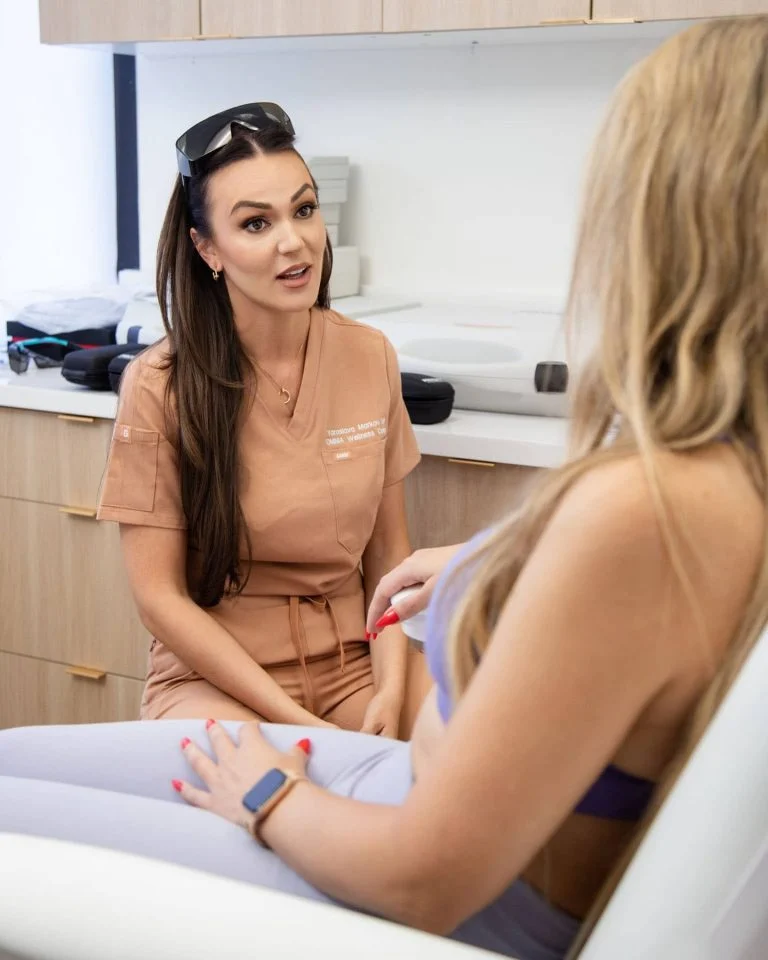
You should expect a dermatologist or qualified laser clinician to explain what they are targeting, why this modality fits, what alternatives exist, how many sessions might be realistic, and what kind of downtime you should honestly plan for. If they cannot explain the difference between texture improvement, tightening, pigment reduction, and scar remodeling in relation to your face, that is a warning sign.
A useful consultation also includes what not to expect. That can be disappointing in the moment, but it saves frustration later. Patients are usually relieved when someone tells them plainly, “This will likely soften the lines and improve the surface, but it will not replace surgery,” or “Your discoloration is more melasma-driven, so we need to be careful with heat.”
Where Fotona fits among other treatments
Laser medicine works best when it is not treated like a religion. Fotona is excellent for some problems and only moderately helpful for others. For dynamic wrinkles, neuromodulators may outperform laser. For volume loss, filler or biostimulatory injectables may matter more. For severe laxity, surgery still sits in a separate league. For certain scars, microneedling radiofrequency, subcision, punch techniques, or fractional CO2 may be considered depending on the case.
That does not diminish Fotona Laser Treatments. It places them where dermatologists often place every tool, inside a broader treatment ecosystem. The right question is not whether Fotona is “better” in the abstract. It is whether it is the best fit for the problem in front of you, with your skin type, your downtime tolerance, and your budget.
Patients who understand that tend to get better outcomes because they stop shopping by brand name alone. They start evaluating plans.
What seasoned dermatologists quietly wish more patients knew
Many people come to consultation wanting certainty. Medicine rarely works that way, and cosmetic dermatology is no exception. The skin responds in ranges, not guarantees. One patient sees visible tightening after a couple of sessions. Another notices more modest but still worthwhile refinement. Scar tissue, age, sun history, smoking, hormones, and genetics all influence the ceiling of improvement.
Dermatologists also wish more patients knew that restraint is a skill. Not every concern needs maximal energy. Not every face benefits from repeated intervention. Sometimes the best plan is a lighter treatment, slower pacing, and careful reassessment. The goal is not to prove what the machine can do. The goal is to make the skin look better, safely, and in a way that still looks like you.
That is ultimately the most useful lens for understanding Fotona. It is a sophisticated platform with real range and real strengths. It can produce elegant results when used for the right indication, on the right patient, at the right intensity. It can also disappoint when reduced to a buzzword.
If you are considering treatment, look beyond the brand and ask smarter questions. What exactly are we treating? Which Fotona mode are you recommending? How much downtime should I truly expect? What would you choose if this were your own face, your own scars, your own skin tone? Those answers will tell you more than any before-and-after gallery ever could.
OMNIA Wellness Center
Address: 16430 Ventura Blvd Ste 207, Encino, CA 91436
Phone number: +18183868511
FAQ About Fotona Laser Treatments
What is a Fotona laser good for?
A Fotona Laser system is a versatile, dual-wavelength medical laser used primarily for non-surgical skin tightening, anti-aging rejuvenation, and dermatological treatments.
How much does the Fotona laser cost?
The cost of a Fotona laser depends heavily on whether you are looking to purchase a laser machine for a medical practice or are a patient seeking a laser treatment at a medspa.
Is a Fotona laser worth it?
A Fotona laser treatment is generally worth it if you want non-surgical skin tightening, improved texture, and collagen stimulation with very little downtime.